STEP 01
Find a winnable job
Use focused searches and filters to identify real AI-image briefs where a tailored sample gives you an edge.
For freelancers ready to turn AI photography into paid work
Find jobs worth applying to, send a tailored sample that gets your proposal opened, then scope and deliver the paid work—without cold calls, a portfolio, or an existing Upwork reputation.
Secure checkout · 30-day money-back guarantee
Secure checkout · 30-day money-back guarantee

“About 60 applications. Most were never even opened. I kept going—and landed my first client with no experience and no reviews.”
From skill to paid work
STEP 01
Use focused searches and filters to identify real AI-image briefs where a tailored sample gives you an edge.
STEP 02
Create a relevant sample and pair it with a short proposal designed to earn the click before the client compares credentials.
STEP 03
Turn the reply into a defined paid test, protect the project from revision creep, and deliver work the client can renew.
$199 · Recorded system + private call
A brand needs product images — for their store, their ads, their social feed.
They try to make them with ChatGPT or Midjourney. The product comes out distorted. Proportions drift. The model looks plastic. The whole thing feels off-brand. They burn an afternoon and get nothing usable.
And for a business, “close enough” is not good enough. If the product looks better than it really is, the texture is wrong, the proportions drift, or the image feels off-brand, trust drops fast. The issue is not whether brands want AI. They do. The issue is whether they can use it without creating visuals that feel misleading, cheap, or inaccurate. That’s why businesses still pay for someone who can make the image look good and keep it true to the real product.
So they do what businesses always do when something matters and they can’t execute it themselves. They hire someone.
I’ve been tracking AI photography jobs on Upwork consistently. On a typical day there are 10 to 15 relevant postings — roughly 450 a month. Real brands. Real budgets. Actively looking for someone who can do this properly. Most jobs sit in the $300 to $800 range. Even being conservative about which ones get filled, that’s a real, recurring market.
This is not a trend I’m predicting. It’s a market I’m watching in real time.
And most people applying for these jobs are still doing it badly.
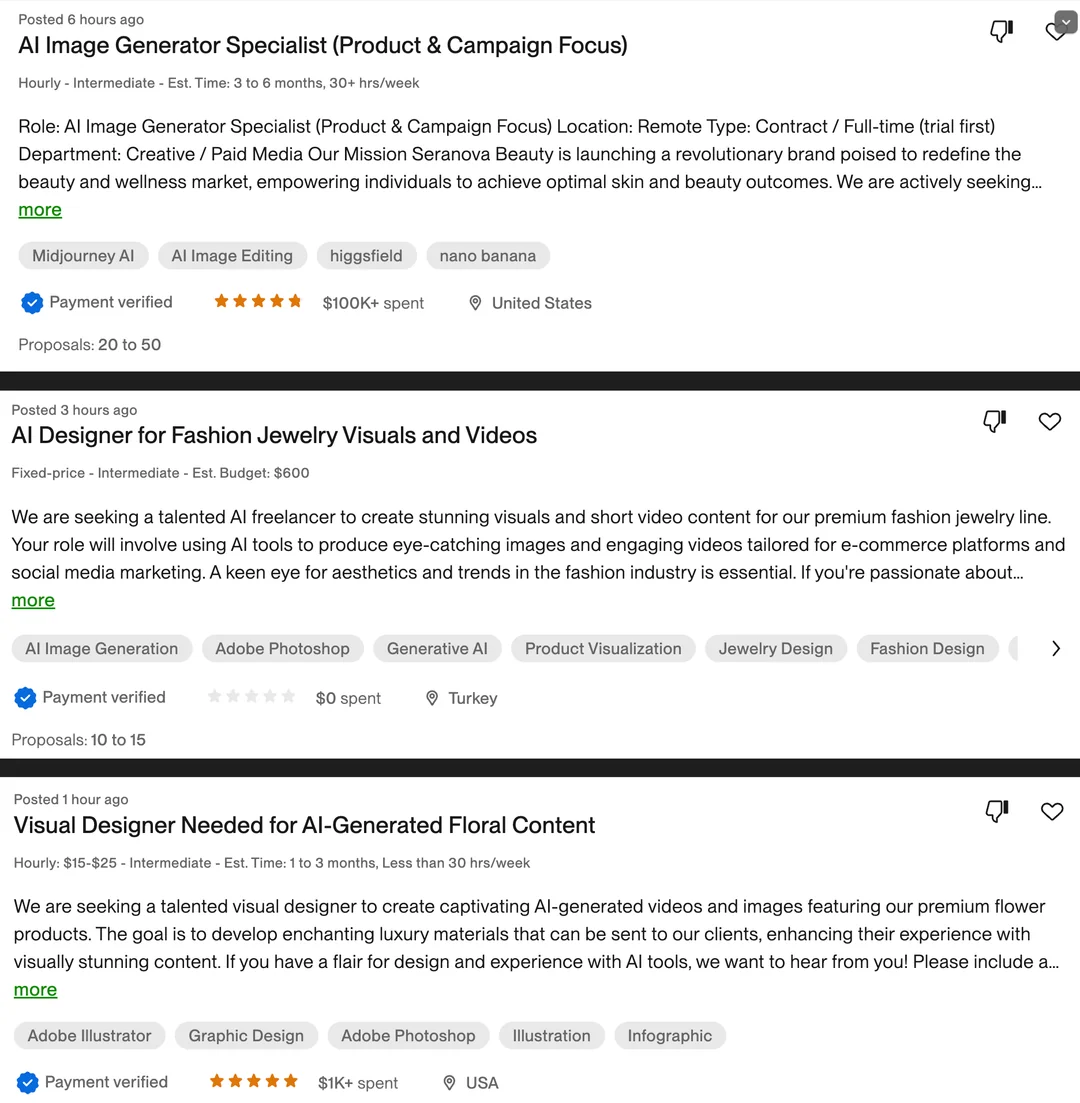
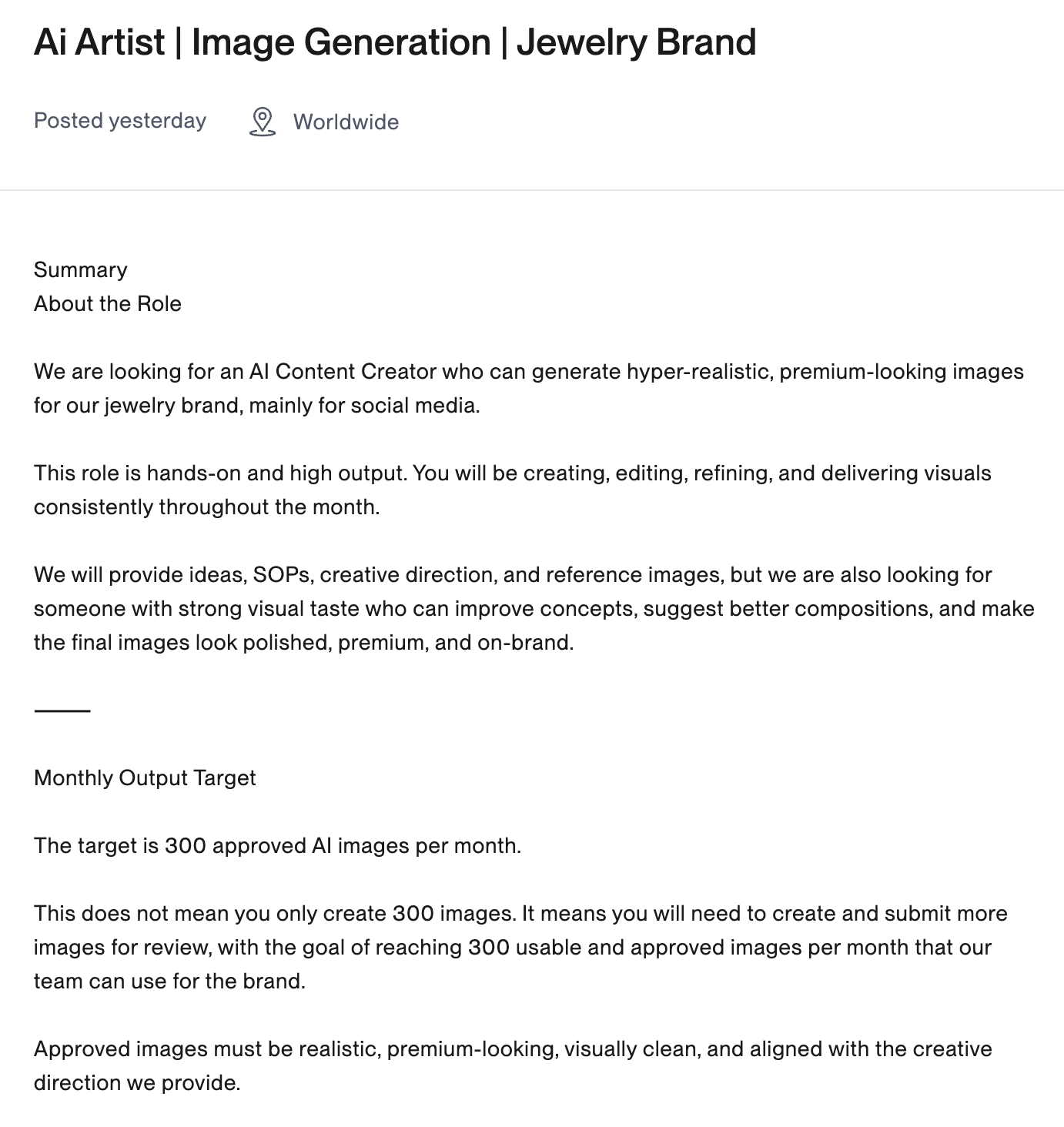
Real, active Upwork posts — brands paying to fill the AI-photography gap.
Here’s what most people assume when the replies don’t come. They think they lose because they’re new — no reviews, thin portfolio, no history on the platform.
Sometimes that’s true. Most of the time it isn’t.
Most freelancers lose earlier — before the client ever compares anyone on skill. They lose because they show up looking exactly like everyone else. Generic photo. Vague title. A bio about themselves instead of the client. A first line that reads like every other first line. No proof. No reason to stop.
The client skips them. Quietly. In about two seconds.
You might not be unqualified. You might just be playing the wrong game.
The move most freelancers never make

I’m Bertrand — software background, Belgium.
No course empire. No big audience. Last year money was tight, so I went where buyers already were: Upwork. I started applying to AI image jobs with one rule. Always send a sample first.
It worked. Small jobs. Then retainers. And for a while I thought I understood exactly why. Then I did something that changed the whole system.
I signed up as a client — and watched the proposals roll in.
Not as a freelancer. As the person posting the job and paying the bill. I created a real AI photography brief, set the budget, added my card, and sat there seeing the screen exactly the way a buyer sees it.
That’s when it clicked. When a client opens their proposal inbox, they are not reading carefully. They’re scanning. I felt it myself on the client side. I wasn’t being thorough. I was being fast. I skipped people with all the right skills because something felt off — a confusing bio, a vague title, a first line that told me nothing.
The freelancers who led with “I created 3 sample images for your product”? I had to open those. Every single time.
This is the part most freelancers miss. The job isn’t writing a better proposal. The first job is getting the proposal opened at all.
Win the click first. Everything else comes after.
What the client actually sees
Scanning a proposal inbox, a client clocks these in a couple of seconds:
Then a split-second decision: open this one, or move to the next. That preview is the whole battle.
On the client side, your proposal shows up as a short preview before anyone clicks. Roughly 150 characters — enough to either blend in or stop the scroll. Most freelancers waste it. Their previews all read the same:
“Dear client, I am an experienced designer…”
“I can do this job perfectly…”
“Please check my portfolio…”
Then one breaks the pattern
“I created 3 sample images for your product…”
Now I have to open it — not because of a clever pitch, but because something concrete is already there. That’s the move. Not a longer cover letter. A first line that earns the click because you already started the work.
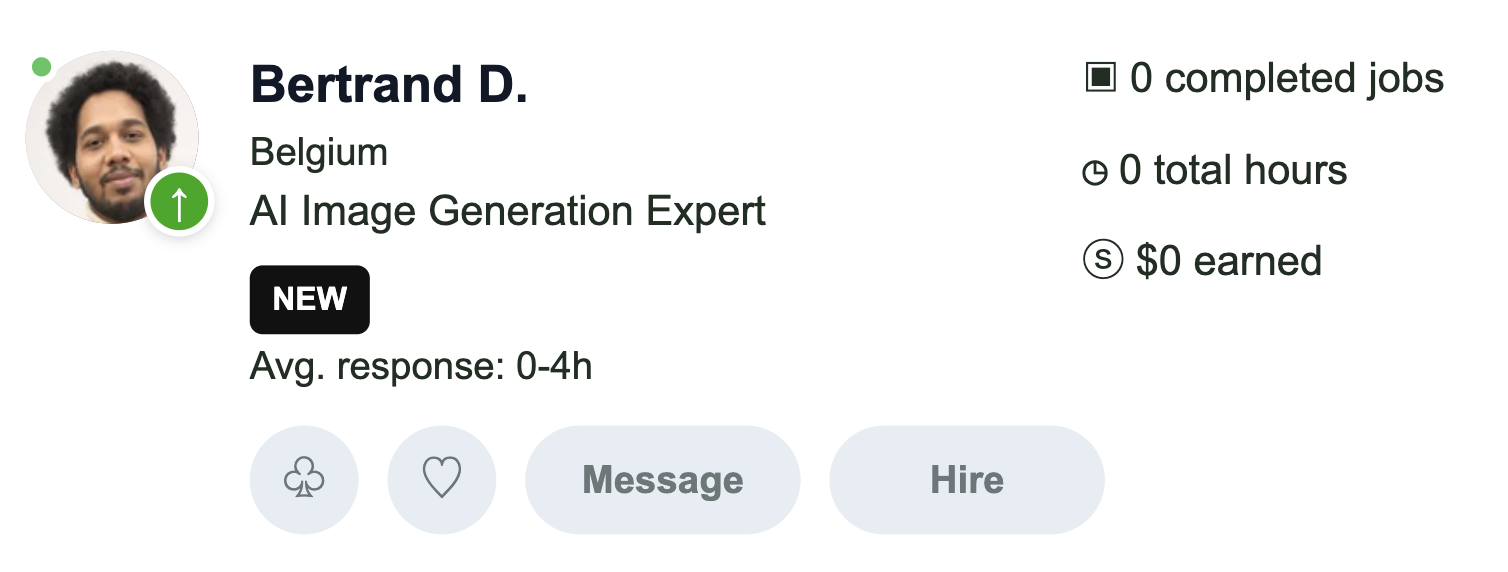
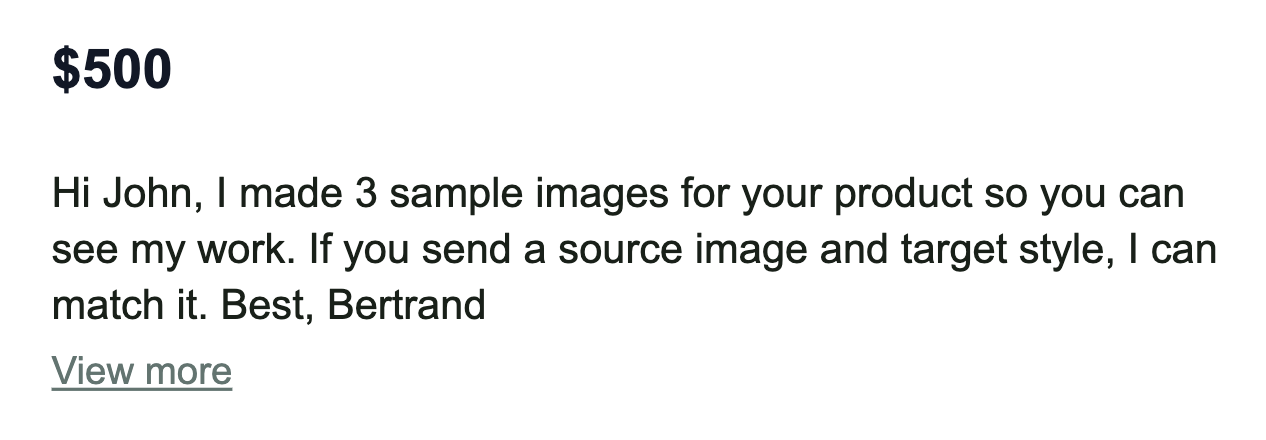
A brand-new profile — 0 jobs, $0 earned — still gets opened when the cover letter leads with the sample.
Proof Before Pitch is exactly what it sounds like. Before you apply, you make something. Not a full campaign. Not two weeks of unpaid work. Just enough to show you understood the brief and can execute in the right direction — three sample images, built in Dezygn, in under 15 minutes.
Then your proposal leads with that. Everyone else says “I can do this.” You say “I already started.” That shift changes everything. Instead of asking the client to imagine your capability, you hand them something concrete to react to. The proposal stops sounding like a claim. It starts feeling like evidence.
Evidence beats a promise. Every time.
The proposal — sample attached, before the pitch
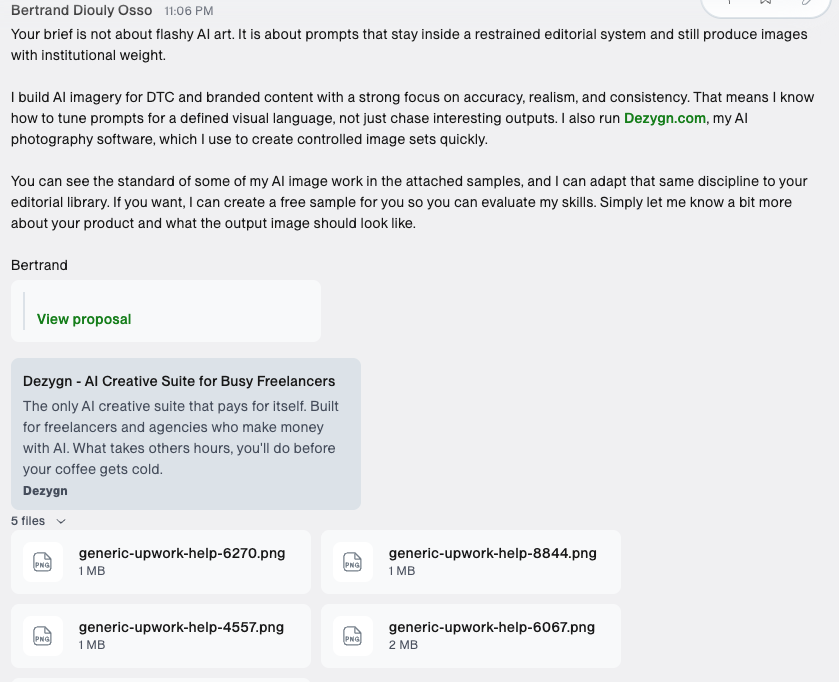
The reply
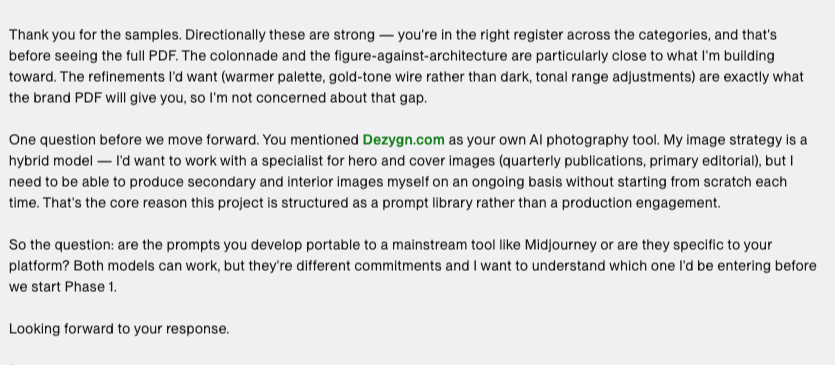
A real conversation against 40+ applicants. The sample did the selling. Client name blurred for privacy.
Real client work, real products
Every sample below started as a plain snapshot the brand already had. This is the quality a 15-minute proof asset is built from.
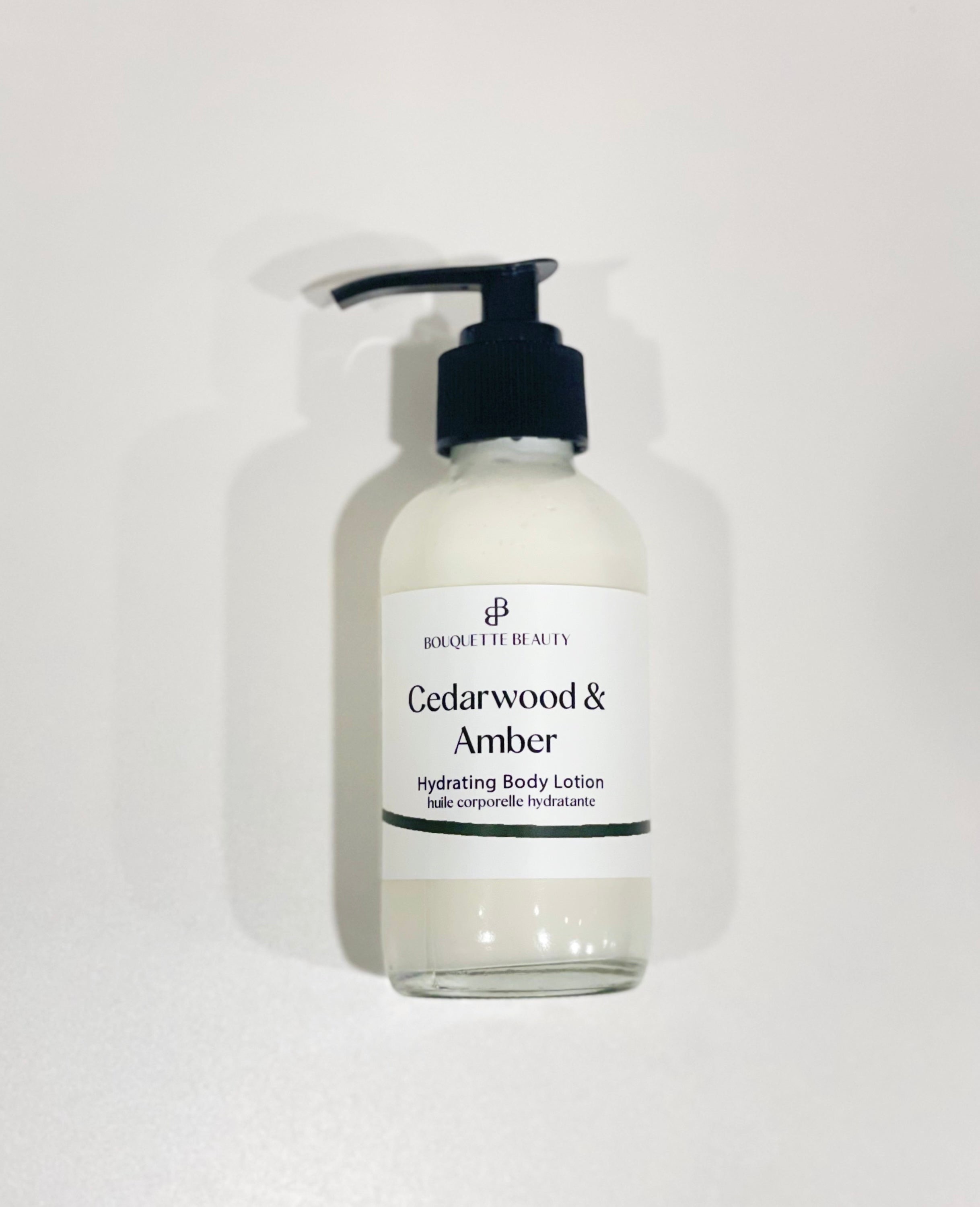 Before
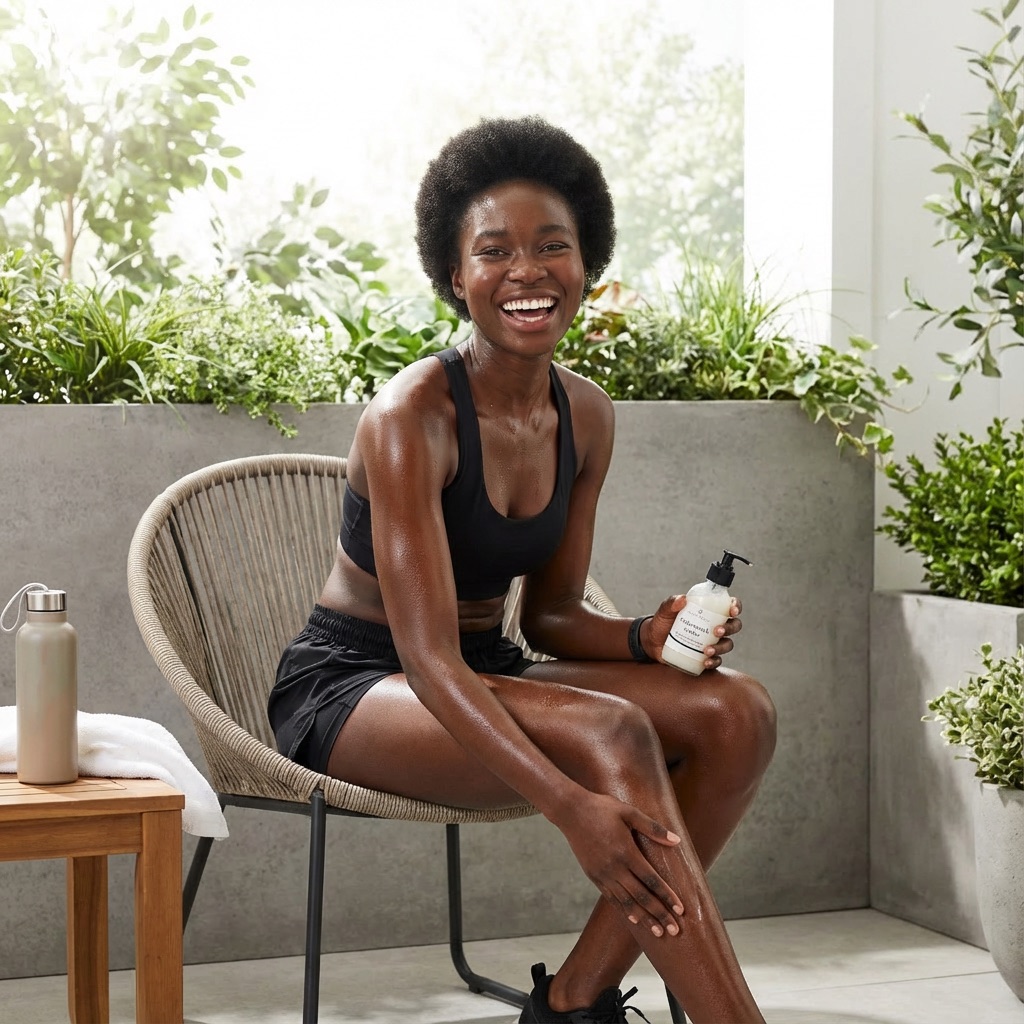 Client-ready · made with AI
Body lotion — plain bottle → lifestyle scene
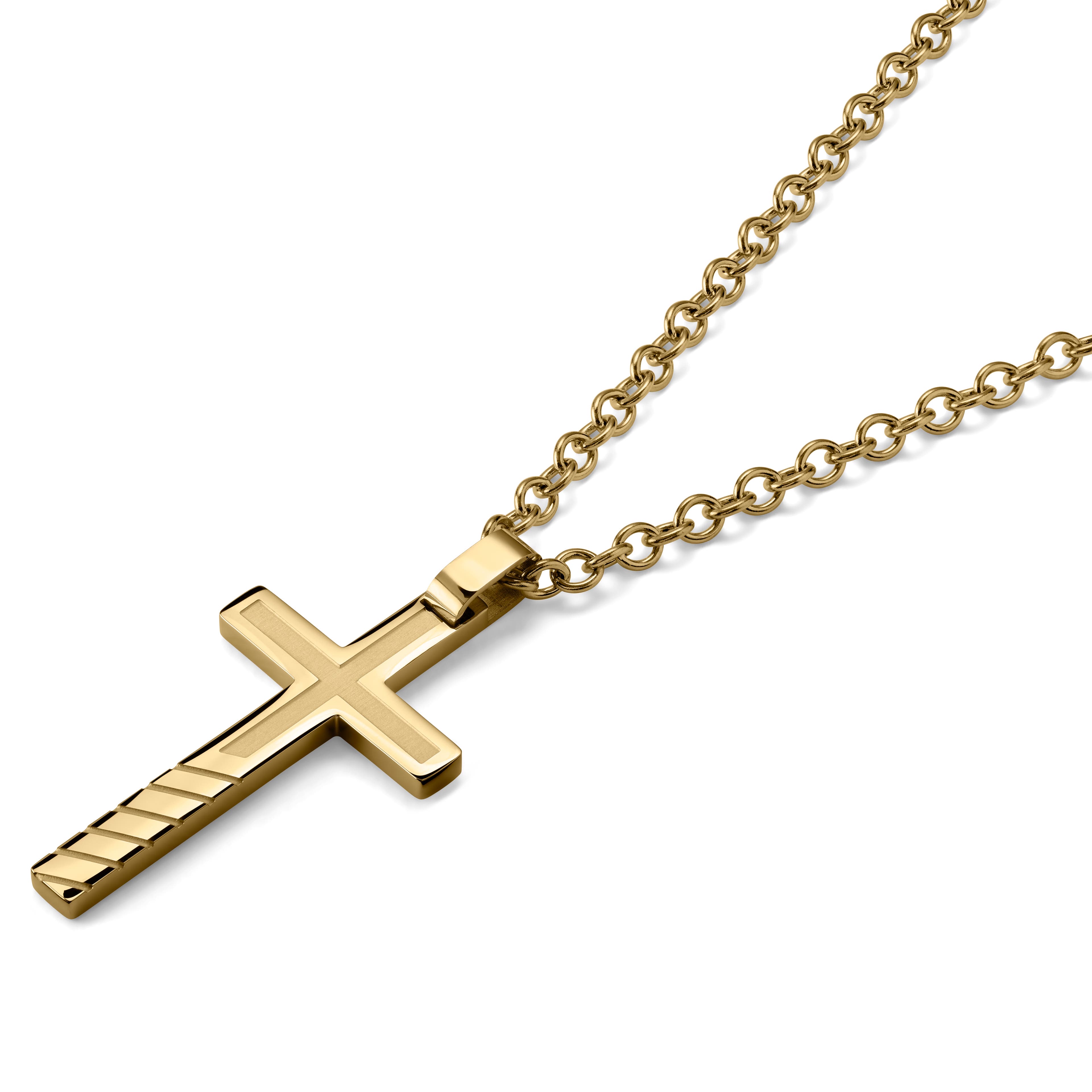 Before
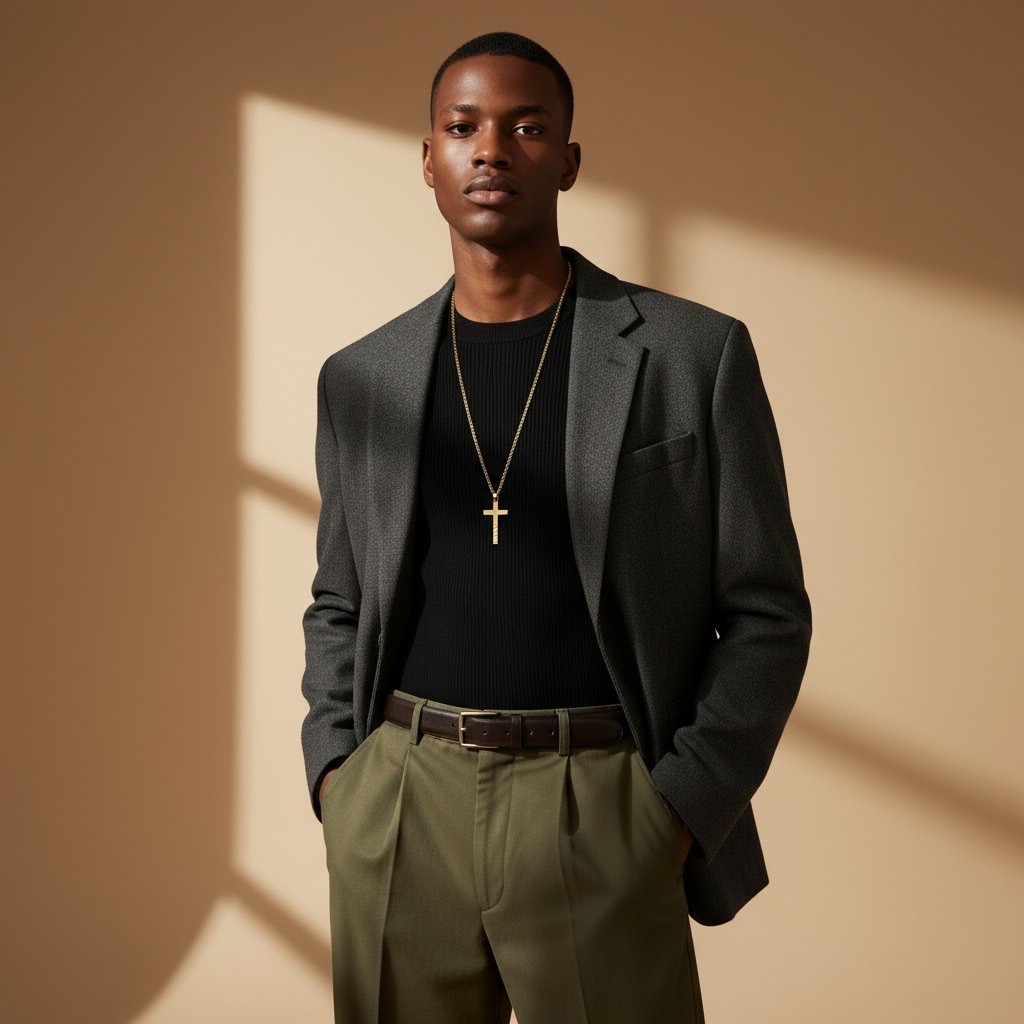 Client-ready · made with AI
Men's pendant — bare product → editorial model shot
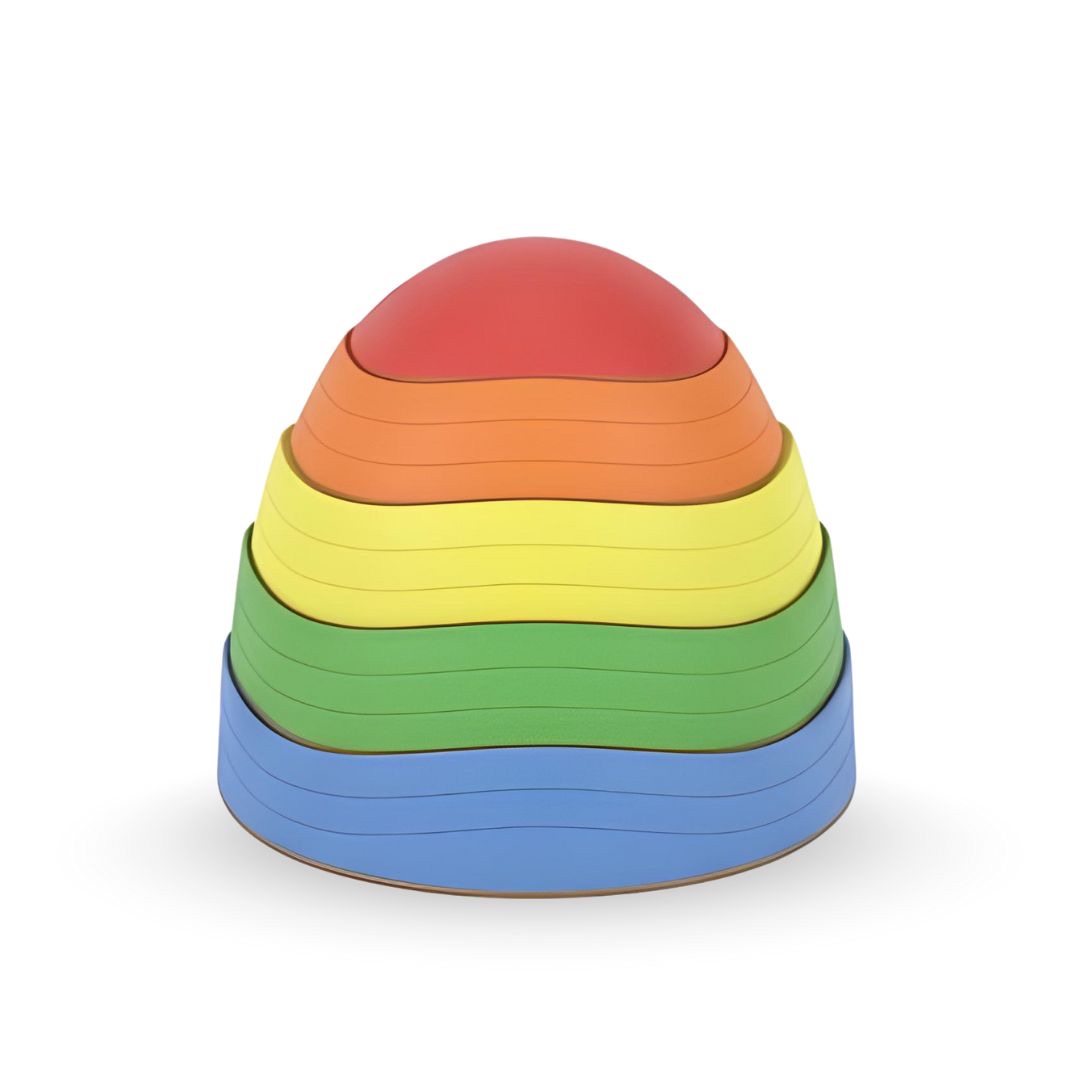 Before
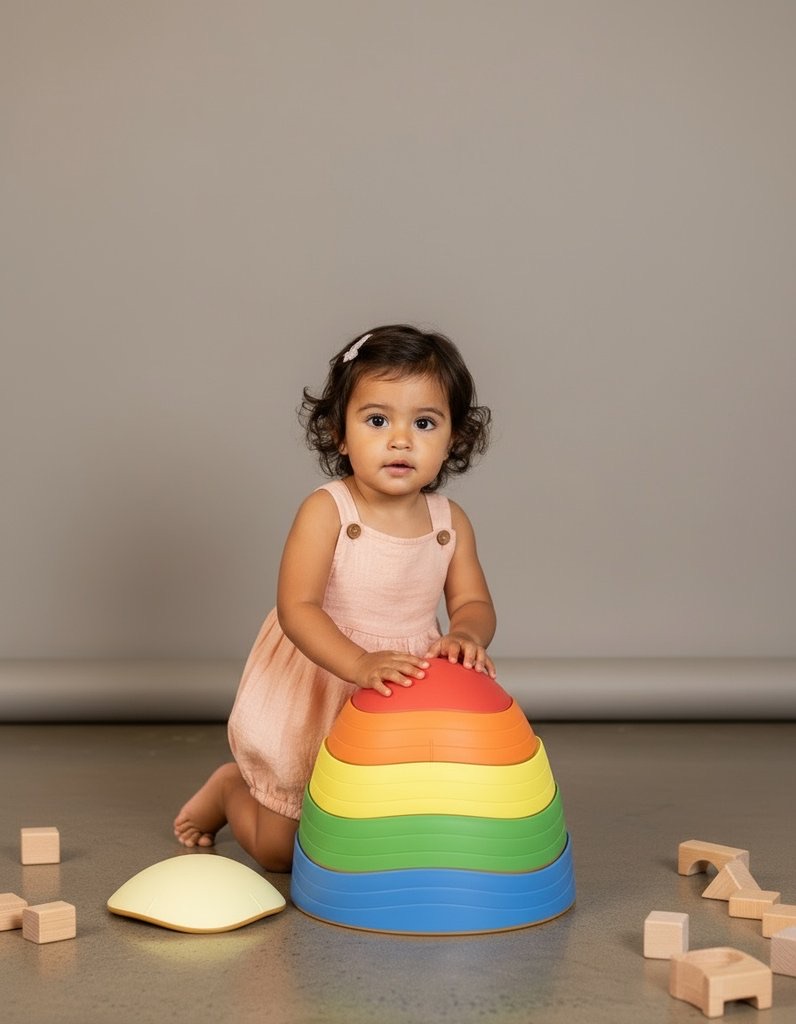 Client-ready · made with AI
Kids' toy — packshot → in-use lifestyle photo
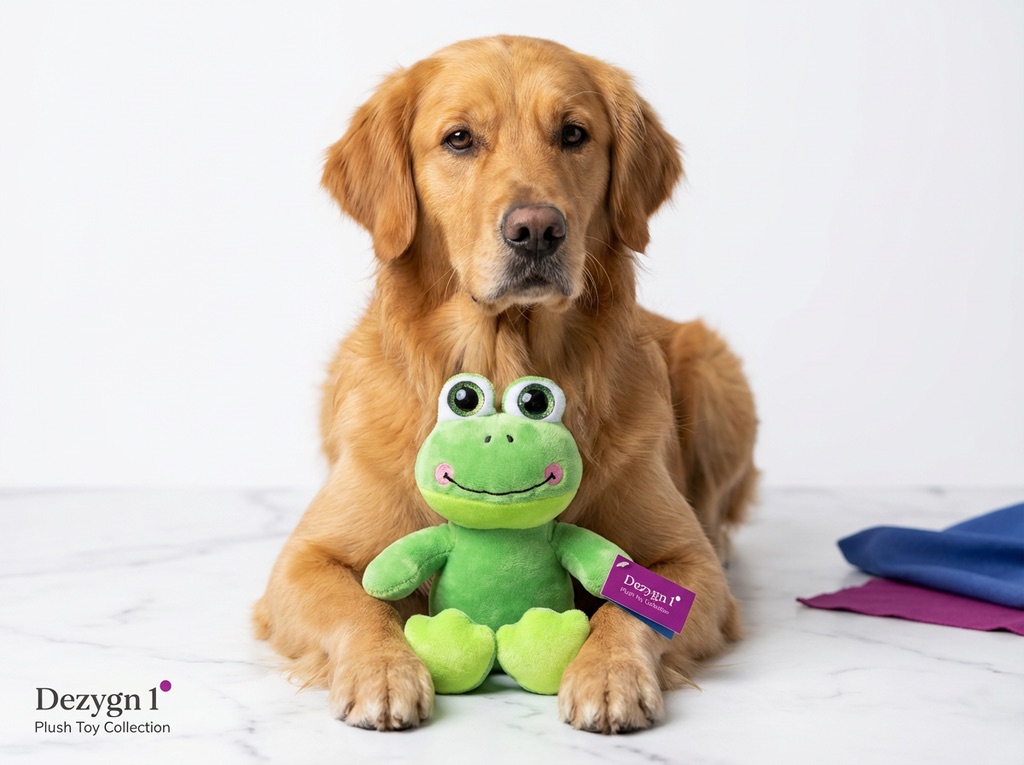
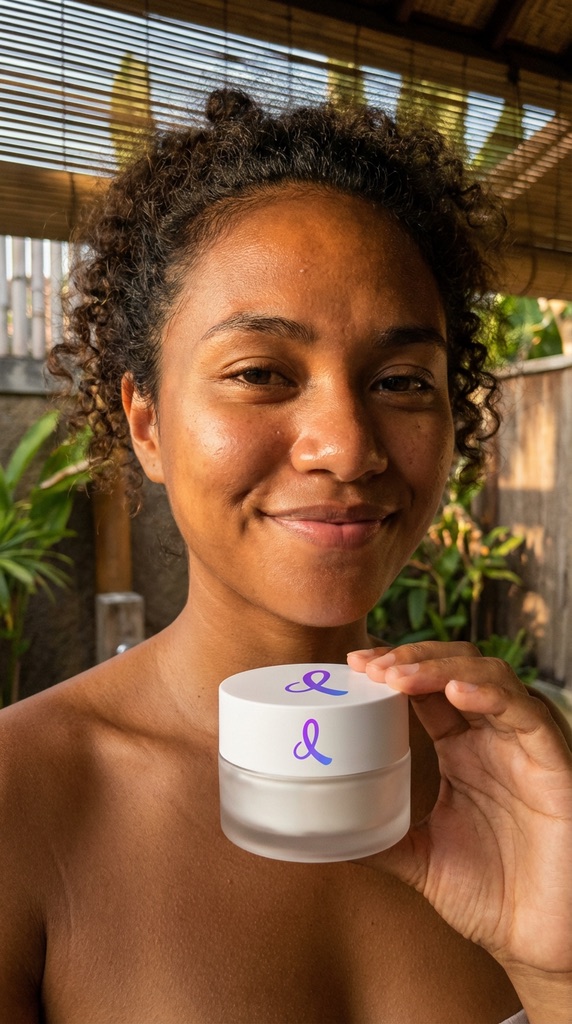

Same workflow — a pet brand, a skincare UGC shot, a food brand.
My first Upwork job: $80 for three videos, four days of work. My second: $40 for a brochure update that took hours. Small, slow, not glamorous. Then it started to compound.
An eyewear brand came on retainer — $700 a month for 12 images. A luxury homeware brand started with a small test batch, then locked in $780 a month for three months. I recently closed a $2,500 fixed-price contract for around 20 product images. Upwork takes 10%, so $2,250 hit the account — I’d rather show the real number.
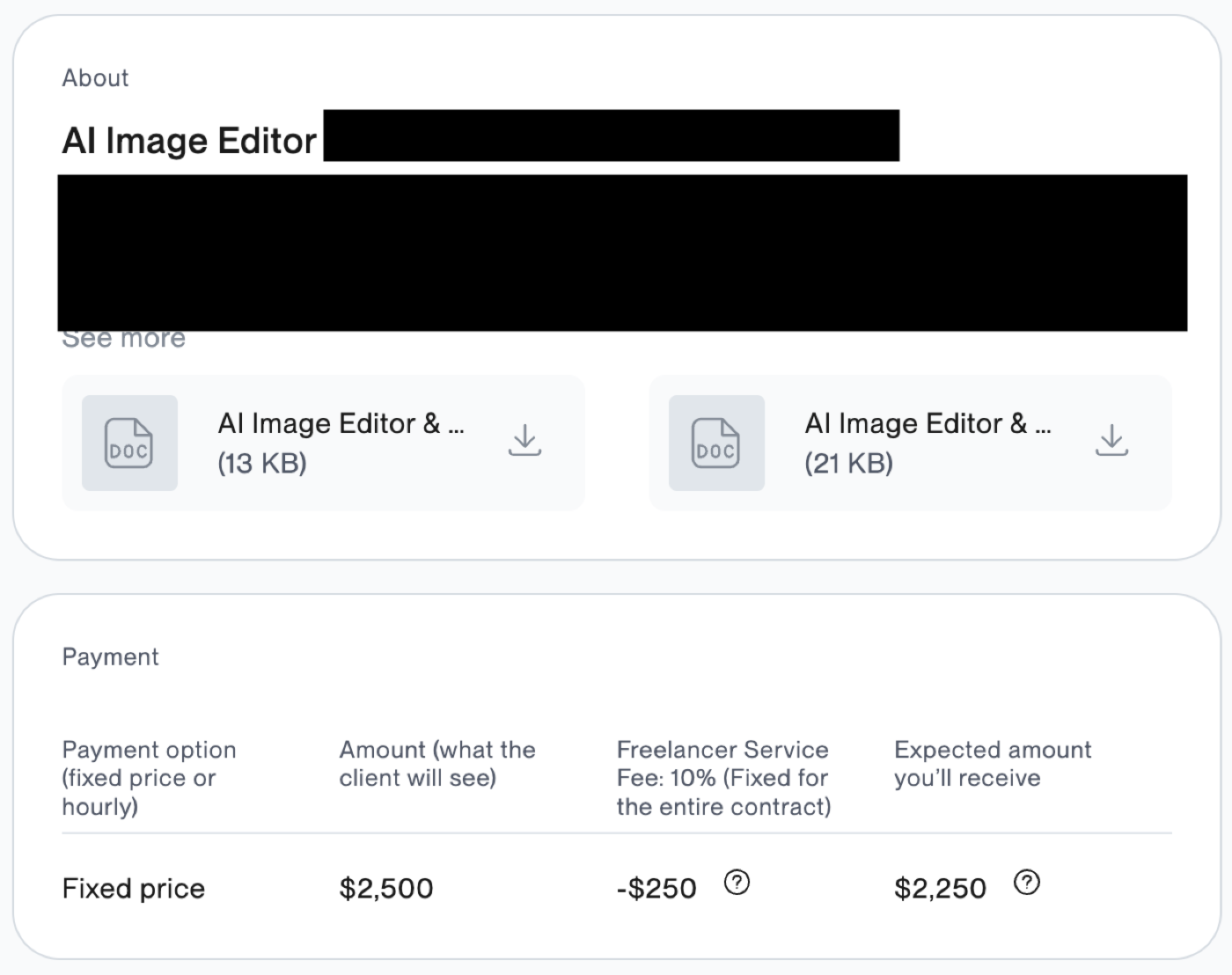
The anchor: a $2,500 fixed-price contract — $2,250 after Upwork's 10%.
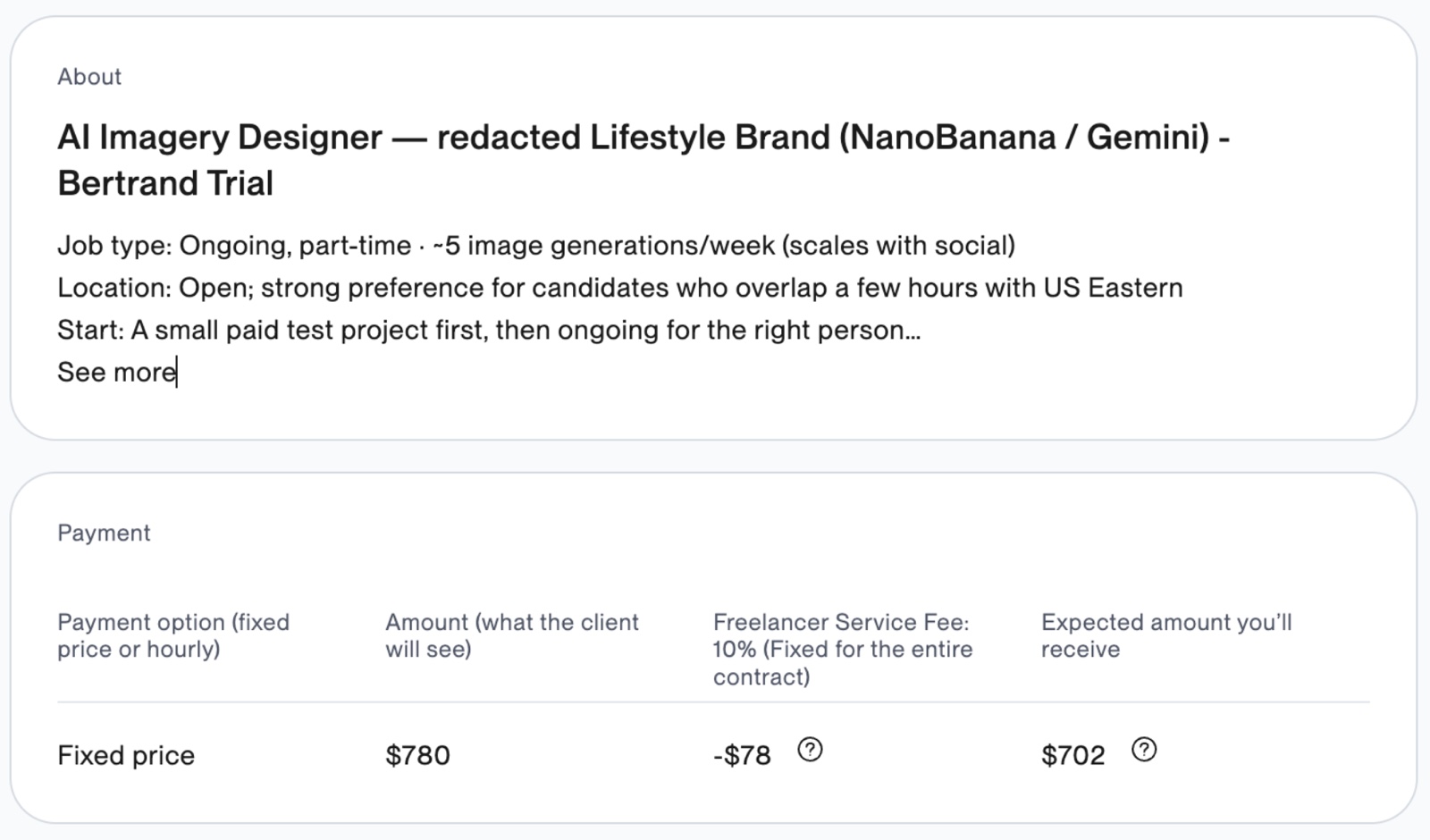
A test batch turned into $780/month, locked for three months.
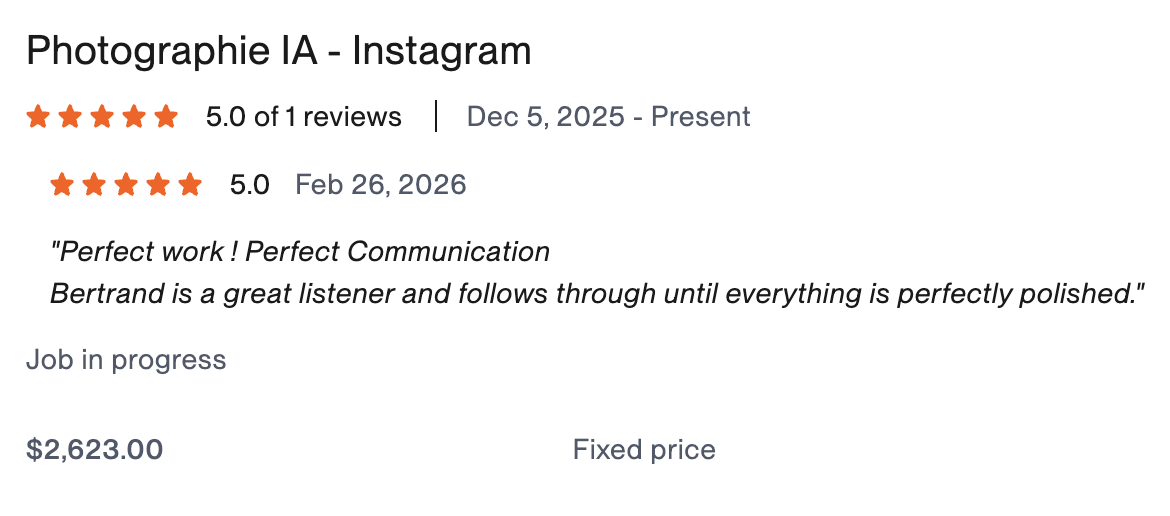
An ongoing contract — real numbers, 5.0 review.
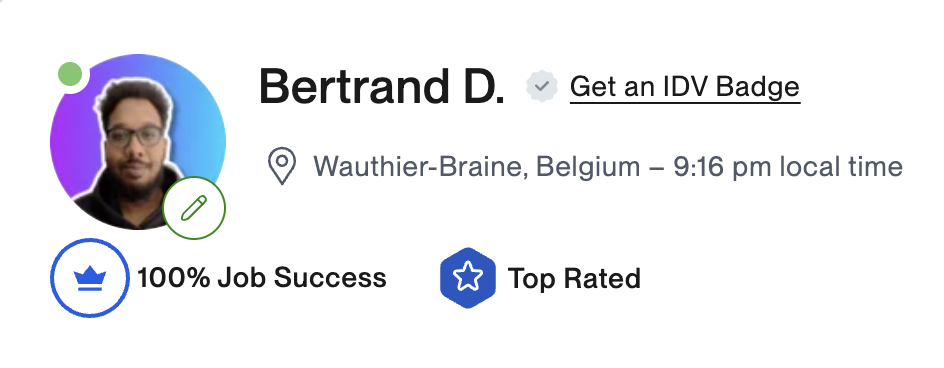
$3K+ earned · 100% Job Success · Top Rated.
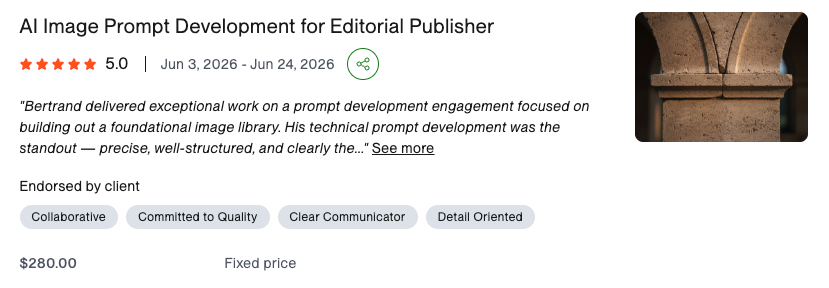
Another 5.0 — a $280 editorial prompt-development contract.
Not a lottery ticket. A slope. Every sample made the next one faster. Every review made the next client easier. Small jobs built into larger contracts. Larger contracts built into retainers. That’s the shape of it.
My personal results from real client work. Not typical, not a guarantee. See the earnings disclaimer.
Secure checkout · 30-day money-back guarantee
And it’s not just me
“I tried drop shipping, eBay, affiliate marketing. With two kids and a family, I never had the time or energy to make any of it work. This time I just followed the training. I rebuilt my profile and portfolio to match the clients I wanted. For weeks it was quiet, then it all moved at once. In a single week I had three interviews from a blank profile, landed my first client, and I’m now in talks on two more contracts. I really believe I can get many more. It’s a snowball effect.”
Jürgen · martial arts teacher · Germany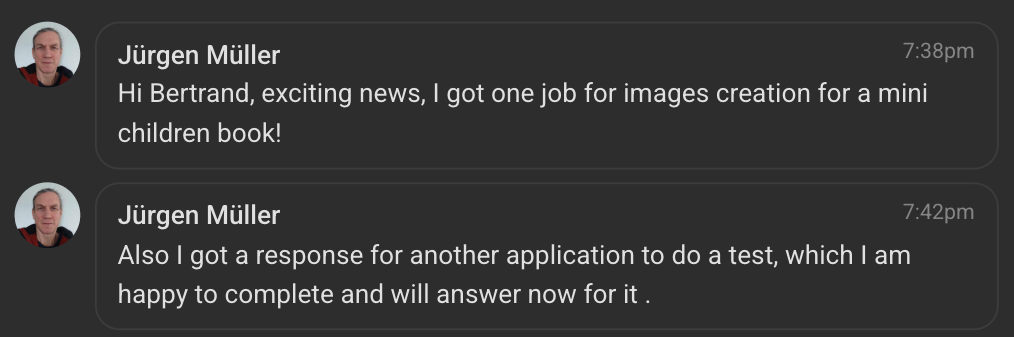
His message the night he got hired. Hired July 6, four days after applying.
Jürgen worked with me directly and used the same Proof Before Pitch method taught in this system. Read his full case study. See the earnings disclaimer.
This is work. Real client work. You’ll apply to jobs. Some won’t reply. Early samples will be rough. Upwork charges Connects to apply — the no’s aren’t free, just cheap relative to what one yes pays.
My numbers from a recent week: 6 proposals. 4 viewed. 3 interviews. 1 hire.
That’s the game. The no’s are the cost of the yes — and one yes can pay you every month. If you want push-button income while you sleep, this isn’t it. Don’t buy it.
But if you can give this a few focused hours a week — evening-sized pieces, not a second job — the system gives you a sane path in. You stop guessing what to offer. You stop sending empty proposals. You start stacking proof. And proof compounds.
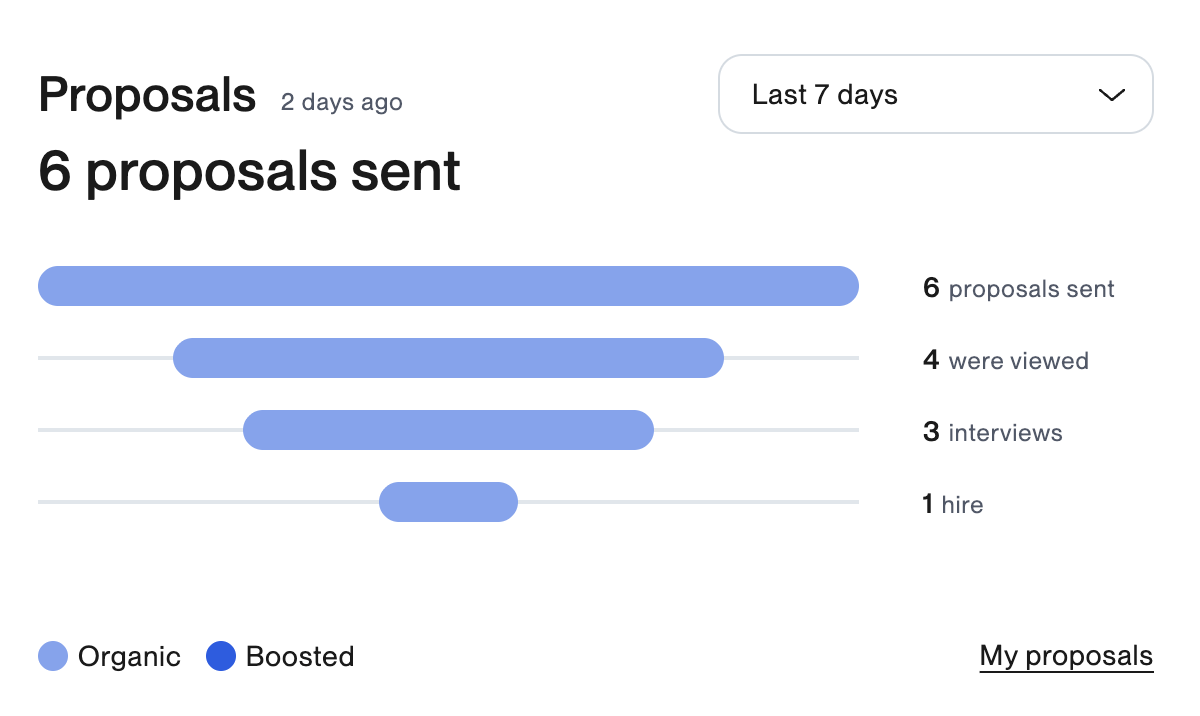
My own recent week: 6 proposals → 3 interviews → 1 hire. Rejection is math.
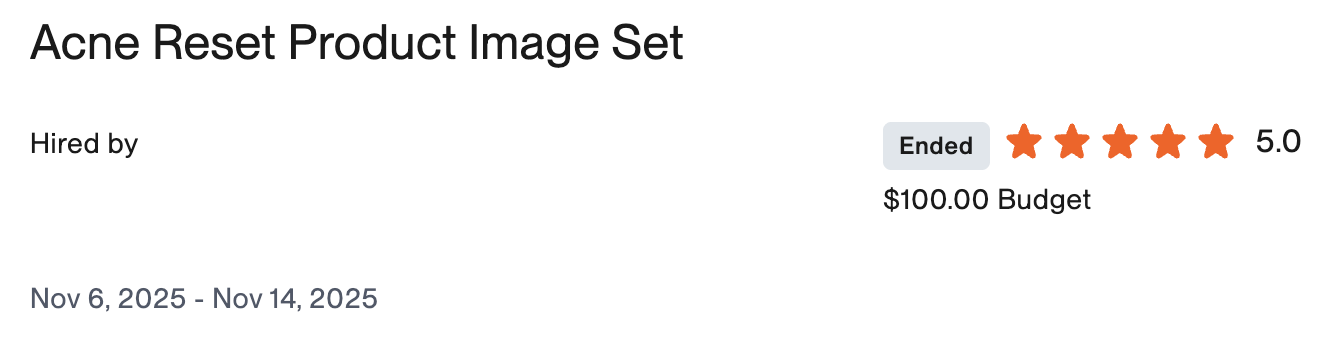
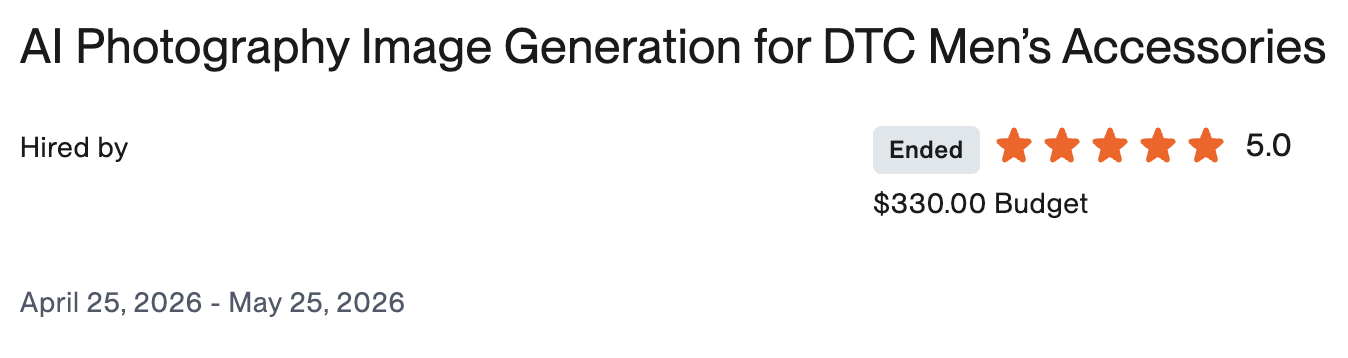
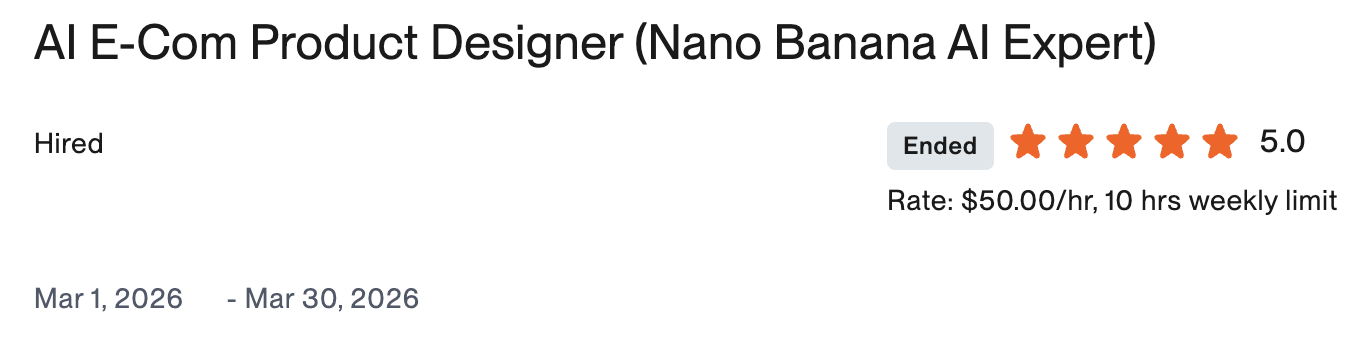
Smaller gigs along the way — every one a stepping stone, all 5.0.
The reply feels like the win. Then the client says “This looks great — can you do 12 of these?” and a different kind of panic sets in. What do I charge? What’s included? How many revisions? What if my first batch doesn’t match the sample that won the job?
That’s where most people fall apart.
Winning the client and delivering the client are different skills.
So this system doesn’t stop at “get noticed.” It covers the missing bridge: Scope → Price → Deliver. The reply is where a one-off either dies or turns into a monthly renewal — and renewals come from delivery, not from the pitch.
The missing bridge
Scope → Price → Deliver.
Scope. Collect the brief, define deliverables, and separate revisions from new requests before you commit to anything.
Price. Quote a first paid test, then move into batch and retainer pricing — with wording that protects you rather than traps you.
Deliver. A starter workflow that avoids AI slop and revision spirals, so your first batch matches the sample that won the job.
The AI Client System is not a pile of random lessons. It’s a path — six parts, in the order you actually need them.
Part 1 — Understand the niche
Why this opportunity exists, what brands are actively hiring for, and why Upwork is one of the fastest entry points right now.
Part 2 — Set yourself up from the client’s point of view
Your photo, title, bio, skills, and portfolio direction — built so you look relevant before a client reads a single word. This is the part I only understood after posting a job as a client myself.
Part 3 — Find the right jobs
The exact searches and filters for AI image jobs worth applying to. What to chase, what to skip, and where Proof Before Pitch gives you the biggest edge.
Part 4 — Get the proposal opened
How to build the proof asset, what to put in your first 150 characters, and how to stop sounding like every other proposal in the stack.
Part 5 — Turn replies into paid work
What to ask when the client responds, how to scope the job, how to quote a first paid test, and how to set revision boundaries before they bury you.
Part 6 — Deliver without chaos
The starter fulfilment workflow — decode the brief, lock the look, prep the product, generate in layers — so your first paid batch doesn’t collapse.
Find the job. Get opened. Win the reply. Get paid. Deliver. Repeat.
The AI Client System
$199
Full-price offer
Complete system plus your private call with Bertrand.
Secure checkout · 30-day money-back guarantee
Exclusive bonuses · included free
The system teaches you the method. These do the heavy lifting: profile, proposal, and pricing, in minutes instead of hours.
Most beginners write their profile like a resume. Wrong instinct. I spent six-plus months building this custom GPT so it writes your profile like a sales letter aimed straight at your ideal client. It runs on a free ChatGPT account. What normally takes hours of staring at a blank page, it does in 10 to 15 minutes, and the result reads irresistible to the clients you actually want.
My secret weapon, behind nearly every recent job I have won. Jürgen (the student above) used it to land his first client and still runs it on about 80% of his applications. Paste in any job post and it does the hard part: reads what the client truly wants, positions you against it, and writes an opener that builds curiosity in the first 150 characters, the only slice a client sees before deciding to open you. It leaves the rest of the applicant pile in the dust.
Another custom GPT, and the one that protects your paycheck. Every client asks the same trap: "What is your price per image?" Answer it their way and you cap your own income. They also stay vague on scope, which is how beginners end up doing a mountain of work for pocket change. This walks you through scoping any job properly, so you quote with confidence and get paid what the work is truly worth.
I’ll be straight. This could have been a $27 product — just “here’s how to send a sample before you pitch.” That’s one move.
But after seeing Upwork from the client side, and after landing paid work across more niches, I rebuilt it around the full path: profile, proposal, proof, reply, scope, price, deliver. One move doesn’t get you there. The whole sequence does.
The full-price offer includes the complete recorded system plus one private call with me.
Full-price offer
$199
Recorded system + private call
This is for you if
This is not for you if
If you’re in the first column, keep reading. If you’re in the second, I’d genuinely rather you didn’t buy this.
Proof Before Pitch works because it removes risk for the client. They don’t have to guess whether you can do the job — they can see something concrete before committing. Same logic applies here.
Take 30 days. Work through the material. Set up your profile. Run the searches. Send proposals. Use the scoping and pricing sections when someone replies.
If you feel it wasn’t worth what you paid, email me. I’ll refund you — no forms, no friction. You keep the PDFs, prompts, scripts, and recordings either way.
I take on the risk so you don’t have to.
One more time, all of it
Everything you get.
Complete recorded system plus your private call with Bertrand.
Secure checkout · 30-day money-back guarantee
Somewhere on Upwork right now, a brand is trying to find someone who can do this. Most freelancers will send a promise. A few will send a portfolio link. Almost nobody will show up with a sample already made — built for that client, for that product, before they even ask.
That’s the gap. The AI Client System shows you how to be the one who shows up with the work already started — then scope it, price it, and deliver it without panic.
The only question is whether the sample they open is yours.
Full offer: $199 · Recorded system + private call
Secure checkout · 30-day money-back guarantee
Talk soon,
Bertrand
P.S. If you skipped to the bottom: this is the full system for finding AI photography jobs on Upwork, getting your proposal opened, winning the reply, scoping and pricing the work, and delivering the first batch without chaos. $199 for the complete recorded system plus your private call. Not coaching. Not a guarantee of income. Get the system — $199.