Shot Types

AI Photography Shot Types.

Shot types are the vocabulary of conversion photography. Each one answers a different question in your customer's head — what it looks like, how it's used, why it belongs in their life. Learn when to reach for each shot, and how Dezygn generates it on demand.
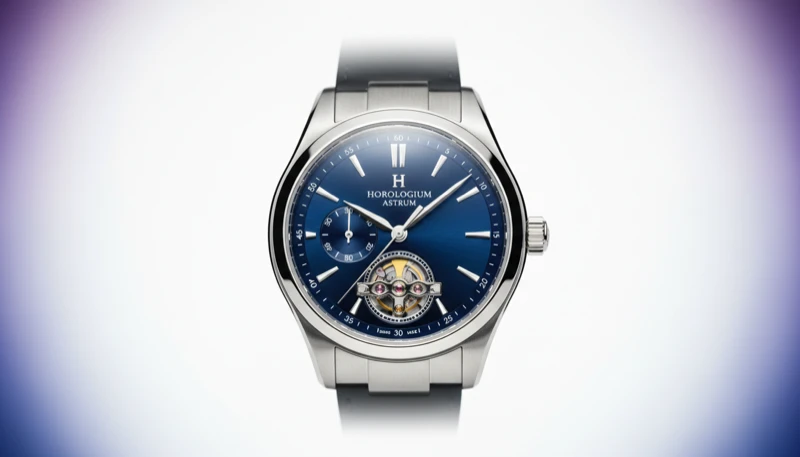
Clean AI packshot on white background with soft studio lighting

Packshot Photography

The packshot is your product, isolated on a clean background, lit evenly, with nothing else in frame. It's the shot Amazon requires, every marketplace expects, and every product page is built on. It is also where AI photography most often falls apart — because the packshot is a pure accuracy test. There is no scene to hide behind. If the cap is the wrong material, if the label text is mangled, if the proportions are off, the customer sees it instantly. Accuracy is non-negotiable here: an embellished packshot doesn't just look bad, it generates 'item not as pictured' refunds.
Learn more
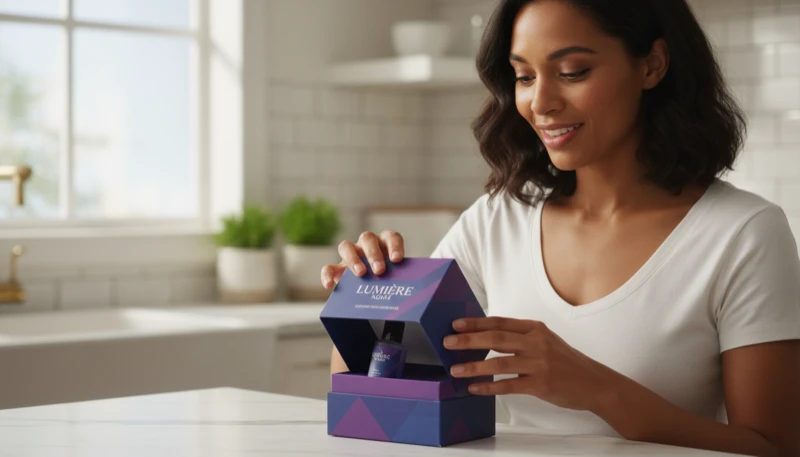
AI lifestyle product photography showing a product styled in a natural home setting

Lifestyle Photography

A lifestyle shot places the product in a real-world context — a kitchen counter, a gym bag, a café table — and answers the question every shopper silently asks: 'what does this look like in my life?' It's the workhorse of ads and social because context creates desire in a way isolation can't. It's also the shot where amateurs one-shot everything ('woman in kitchen holding product, professional, beautiful') and get compromises on every element, because the AI has to solve for person, product, pose, environment and lighting simultaneously.
Learn more
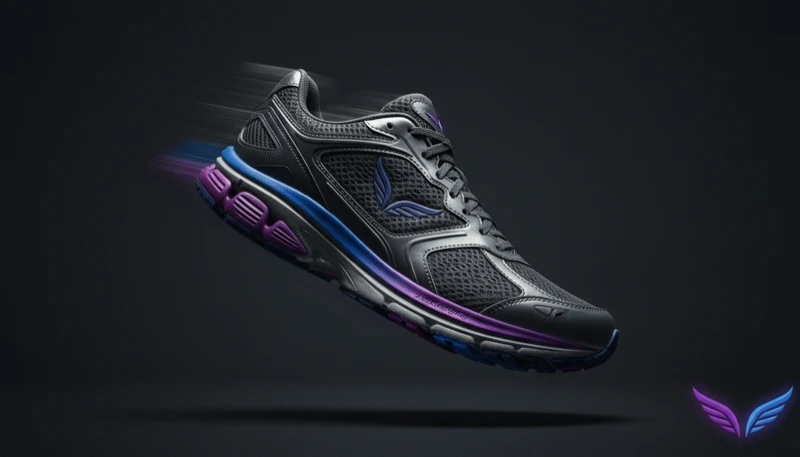
Dramatic AI hero shot with editorial lighting and shallow depth of field

Hero Shot Photography

The hero shot is the statement image — the one at the top of the product page, the campaign visual, the image that has to carry the brand's ambition on its own. Where the packshot's job is accuracy, the hero shot's job is desire. It says 'this subject is special' through lighting, isolation and depth, not through claims. Most products get exactly one hero shot per campaign, which means this is the image where craft is most visible — and where slot-machine prompting is most obvious.
Learn more
Overhead AI flat lay with products and props arranged on a styled surface

Flat Lay Photography

A flat lay is shot from directly overhead: products and props arranged on a surface, composed like a small still life. It reads as effortless, which is exactly why it's hard — every object in frame is a deliberate choice, and one off-brand prop breaks the spell. Flat lays shine when the story is 'what's in the set': bundles, routines, kits, ingredients, everything-you-get shots.

Learn more
AI model shot showing a consistent dedicated model wearing a product

Model Shot Photography

Model shots put the product on a person — worn, held, used. For entire categories they aren't optional: eyewear, jewelry and apparel barely sell without a face or a body in frame, because fit is the purchase question. The professional standard is the dedicated model: one consistent, brand-matched face that appears across the whole campaign, so your store doesn't look like it hired a different person for every photo. The amateur standard is whatever face the slot machine spits out today.

Learn more
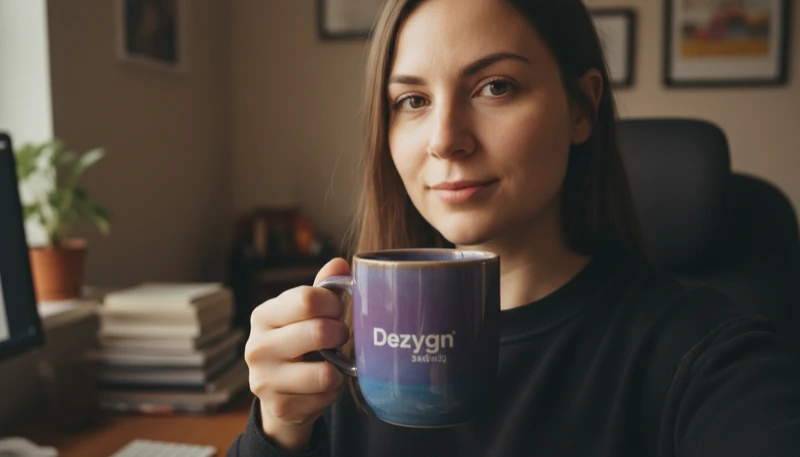
Authentic UGC-style AI photo of a person holding a product in casual lighting

UGC-Style Photography

UGC-style shots imitate what a happy customer would post: iPhone aesthetic, imperfect lighting, candid framing, real-life clutter. In feeds and ad placements they routinely outperform polished studio work because they don't pattern-match to 'advertisement' — they pattern-match to 'person like me.' The paradox is that good UGC is deliberately engineered: the imperfection is specified, not accidental. Random sloppiness reads as low quality; designed authenticity reads as trust.

Learn more
Side-by-side before and after comparison frames with matched lighting

Before & After Photography

Before/after and comparison shots show contrast: the problem state and the solved state, the messy desk and the organized one, the dull surface and the polished one. They're among the highest-converting formats in e-commerce because they sell the outcome, not the object. They're also where trust goes to die when done dishonestly. The rule from running real client work: the AI image must respect physical reality. 'Close enough' isn't a style choice — close enough is a refund, and refunds kill businesses. Use this format to dramatize a real difference, never to manufacture one.

Learn more
AI scale shot showing a product held in a hand for size reference

Scale Shot Photography

A scale shot communicates true size by placing the product against a universal reference — a hand, a face, a table, a doorway. It exists because photographs lie about size by default: a 30ml jar and a 100ml jar look identical on white. 'Smaller than expected' is one of the most common reasons for returns and 1-star reviews, and it's entirely preventable. This is the most literal expression of the accuracy principle: if the pendant is 2cm, it must look 2cm. If the texture is matte, it cannot be glossy. The image is a promise the physical product has to keep.

Learn more
AI packaging photography showing a branded box with crisp, legible label text

Packaging Photography

Packaging shots make the box, jar, pouch or tube the subject — the printed object a customer receives. For premium brands the packaging IS part of the product, and unboxing is part of the purchase. This is the hardest accuracy test in AI photography because it's full of text, and text is where generation fails loudest: one mangled letter on a label and the image is unusable. The brands that get this right treat label fidelity as an engineering problem with known rules, not a lottery.

Learn more
Extreme close-up AI shot showing product texture and material detail

Detail Close-Up Photography

The detail close-up fills the frame with one square inch of the product: the hinge, the stitching, the milling, the weave. Its job is proof. Anyone can claim 'premium materials' in copy; the macro shot is where the claim gets checked. For premium products this is the conversion shot — customers paying $300 for titanium frames or $200 for a leather bag want to inspect the thing they can't touch. It's also the shot that punishes lazy sourcing hardest, because at macro distance every hallucinated detail is visible.

Learn more
Atmospheric AI brand photography showing an evocative scene that defines a brand world

Brand & Atmosphere Photography

Brand and atmosphere shots are the images where the product is secondary or absent entirely: the workshop, the coastline, the material in raw form, the place the brand comes from. They build the world the products live in. Commodity brands skip them; premium brands are made of them — because a customer who buys into a world pays world prices, and a customer comparing isolated products pays commodity prices. These shots are also the hardest to fake with generic prompting, because 'aesthetic background' isn't a world. A world is specific.

Learn more
Paparazzi-style AI photo with hard flash and candid celebrity energy

Paparazzi-Style Photography

The paparazzi shot stages a stolen moment: hard direct flash, candid framing, a subject who looks photographed against their will — and glamorous because of it. It borrows the visual grammar of celebrity culture to make a product feel famous by association. Fashion and eyewear brands have used the format for decades because it solves aspiration differently than the polished hero shot: instead of 'this is beautiful,' it says 'people who matter wear this.' It's a niche tool with a strong flavor — wrong for calm minimalist brands, lethal in the right campaign.

Learn more

Master every shot.

From clean studio packshots to lived-in lifestyle scenes — generate every shot type your clients need from one studio.

Start Free