Shot Types
AI Photography Shot Types.
Shot types are the vocabulary of conversion photography. Each one answers a different question in your customer's head — what it looks like, how it's used, why it belongs in their life. Learn when to reach for each shot, and how Dezygn generates it on demand.
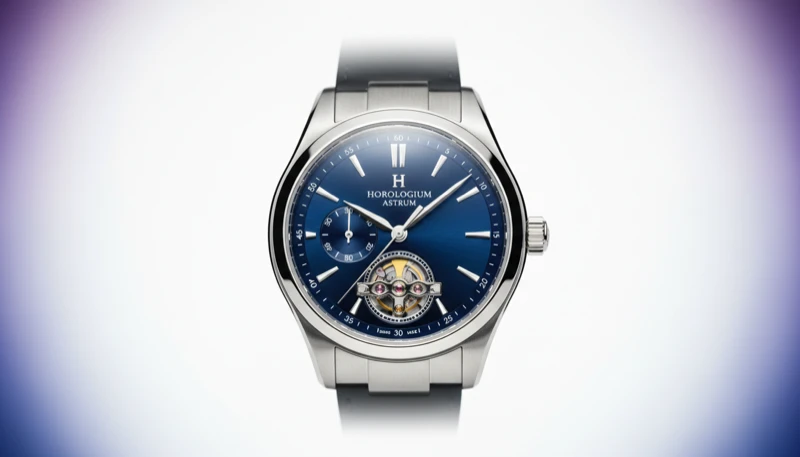
Packshot Photography
The packshot is your product, isolated on a clean background, lit evenly, with nothing else in frame. It's the shot Amazon requires, every marketplace expects, and every product page is built on. It is also where AI photography most often falls apart — because the packshot is a pure accuracy test. There is no scene to hide behind. If the cap is the wrong material, if the label text is mangled, if the proportions are off, the customer sees it instantly. Accuracy is non-negotiable here: an embellished packshot doesn't just look bad, it generates 'item not as pictured' refunds.
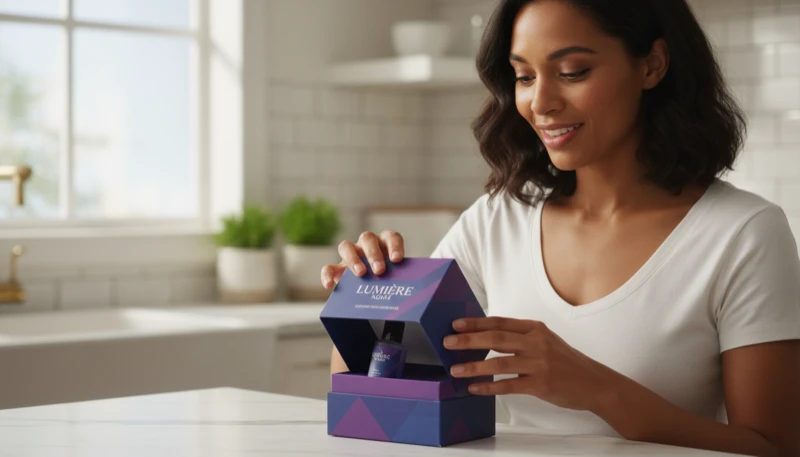
Lifestyle Photography
A lifestyle shot places the product in a real-world context — a kitchen counter, a gym bag, a café table — and answers the question every shopper silently asks: 'what does this look like in my life?' It's the workhorse of ads and social because context creates desire in a way isolation can't. It's also the shot where amateurs one-shot everything ('woman in kitchen holding product, professional, beautiful') and get compromises on every element, because the AI has to solve for person, product, pose, environment and lighting simultaneously.
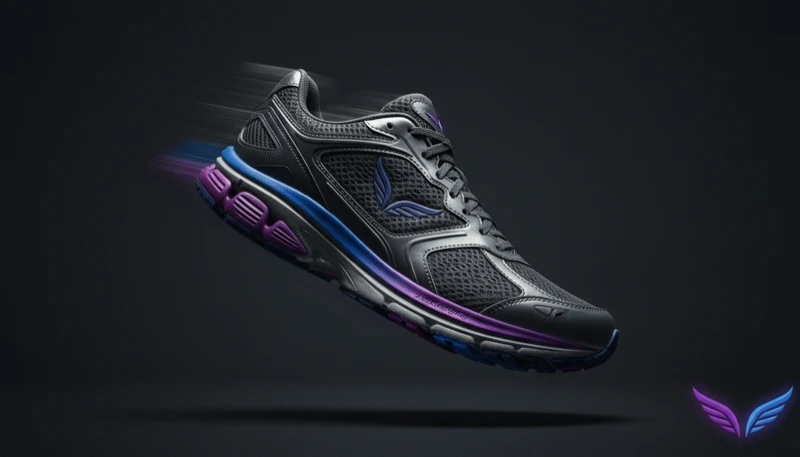
Hero Shot Photography
The hero shot is the statement image — the one at the top of the product page, the campaign visual, the image that has to carry the brand's ambition on its own. Where the packshot's job is accuracy, the hero shot's job is desire. It says 'this subject is special' through lighting, isolation and depth, not through claims. Most products get exactly one hero shot per campaign, which means this is the image where craft is most visible — and where slot-machine prompting is most obvious.

UGC-Style Photography
UGC-style shots imitate what a happy customer would post: iPhone aesthetic, imperfect lighting, candid framing, real-life clutter. In feeds and ad placements they routinely outperform polished studio work because they don't pattern-match to 'advertisement' — they pattern-match to 'person like me.' The paradox is that good UGC is deliberately engineered: the imperfection is specified, not accidental. Random sloppiness reads as low quality; designed authenticity reads as trust.
Master every shot.
From clean studio packshots to lived-in lifestyle scenes — generate every shot type your clients need from one studio.
Start Free