Shot Type

Your Brand Deserves a Dedicated Model — Not a Different Face Every Image

Model shots put the product on a person — worn, held, used. For entire categories they aren't optional: eyewear, jewelry and apparel barely sell without a face or a body in frame, because fit is the purchase question. The professional standard is the dedicated model: one consistent, brand-matched face that appears across the whole campaign, so your store doesn't look like it hired a different person for every photo. The amateur standard is whatever face the slot machine spits out today.

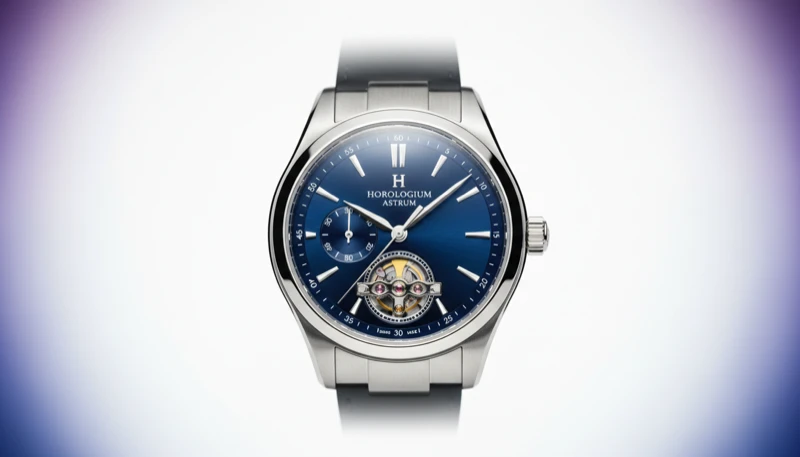
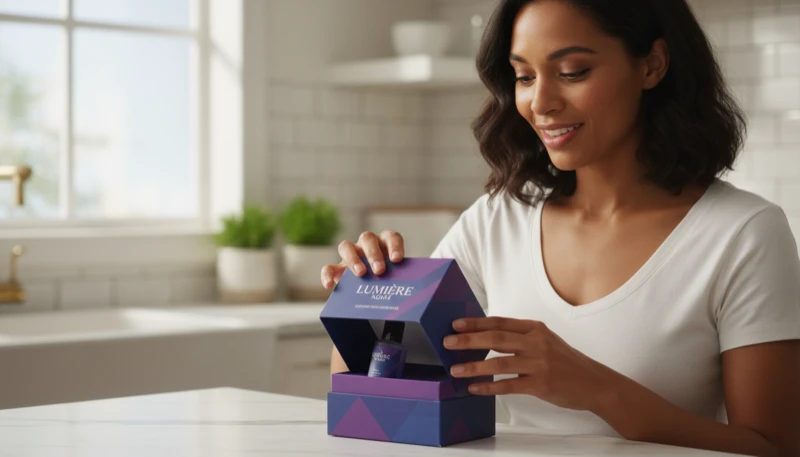
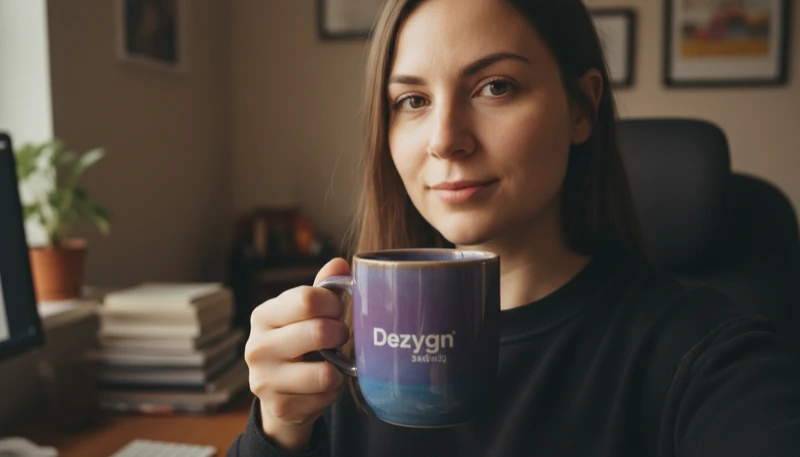
AI model shot showing a consistent dedicated model wearing a product

When to Use This Shot Type.

Eyewear, jewelry and apparel PDPs, where customers need to see fit and scale on a person before buying

Ad creative — faces stop thumbs, and model variations are the fastest way to refresh fatigued campaigns

Brand campaigns where the same recognizable model carries a season of content

Size and fit storytelling: the same garment on different body types, the same frame on different face shapes

How Dezygn Creates These.

Dezygn's model workflow comes straight from agency delivery work. First, the model brief is generated from the brand identity — not 'attractive woman,' but the client's actual customer: 'age 35-60, elegant, understated, confident with calm presence, never demonstrative; matte collarless dark sweaters, neutral expressions.' The subject IS the customer avatar. Choose deliberately.

Then comp cards: a grid of poses and angles per candidate model, used to pick the face. And here's the rule that separates pros from people who lose afternoons: the comp card is for selection only — never use it as a compositing source. On a real eyewear project, a comp card showed sunglasses pushed above the model's eyebrows. Every attempt to composite prescription glasses onto that model put them above the eyebrows too, because the source image wins over the prompt. Always. Three hours lost. The fix took one generation: a clean portrait — white background, plain tee, zero accessories — paired with the clean product image. Glasses sat correctly on the first try.

So the pipeline is: brief → comp cards → clean portraits → composite with the real product photo. Mise en place, but for photography.

Pro Tips.

01

Generate the clean portrait before you need it

For every selected model, produce portrait variants on white with neutral clothing and no accessories, in 2-3 angles. These are your prepped ingredients — every future composite starts from them, and they're the reason your composites work on the first try instead of the fifteenth.

02

Stack features to escape the generic AI face

Vague model prompts produce the same averaged face everyone else gets. Specify structure: face shape, chin, cheekbones, eyes, lips. 'Oblong face, pointed chin, high cheekbones, hooded eyes' renders a person; 'beautiful model' renders a stock photo.

03

Control emotion with volume adjectives

Raw emotions render theatrical. 'Happy' gives you a toothpaste ad; 'quiet joy' or 'subtle smile' gives you editorial. Same with 'restrained anxious look' over 'anxious.' Direct the dial, not the label.

04

Know the rendering quirks

Models aged 18-24 need the keyword 'youthful' or they render late-twenties. Adult male models default to stubble — specify 'clean-shaven' if that's not the brand. These aren't style choices, they're known model behaviors you work around.

05

Match the model's energy to the shot type

The same product supports opposite directions. For one Parisian eyewear client, the paparazzi set needed 'busy, arrogant, never poses' energy, and the fashion set needed 'dressed for the kill.' For a Japanese titanium brand, the direction was the reverse: calm, still, composed — the eye goes to the frames, not the model. Action is an ingredient; direct it.

Create Model Shot Photography with AI.

Generate professional model shot photography in minutes, not hours. Dezygn's AI understands composition, lighting, and brand consistency.

Start Free

Related Shot Types.

UGC-Style Photography

UGC-style shots imitate what a happy customer would post: iPhone aesthetic, imperfect lighting, candid framing, real-life clutter. In feeds and ad placements they routinely outperform polished studio work because they don't pattern-match to 'advertisement' — they pattern-match to 'person like me.' The paradox is that good UGC is deliberately engineered: the imperfection is specified, not accidental. Random sloppiness reads as low quality; designed authenticity reads as trust.

Learn more

Paparazzi-Style Photography

The paparazzi shot stages a stolen moment: hard direct flash, candid framing, a subject who looks photographed against their will — and glamorous because of it. It borrows the visual grammar of celebrity culture to make a product feel famous by association. Fashion and eyewear brands have used the format for decades because it solves aspiration differently than the polished hero shot: instead of 'this is beautiful,' it says 'people who matter wear this.' It's a niche tool with a strong flavor — wrong for calm minimalist brands, lethal in the right campaign.

Learn more

Lifestyle Photography

A lifestyle shot places the product in a real-world context — a kitchen counter, a gym bag, a café table — and answers the question every shopper silently asks: 'what does this look like in my life?' It's the workhorse of ads and social because context creates desire in a way isolation can't. It's also the shot where amateurs one-shot everything ('woman in kitchen holding product, professional, beautiful') and get compromises on every element, because the AI has to solve for person, product, pose, environment and lighting simultaneously.
Learn more